
Understanding Education Equity
Education equity is more than just a trending topic; it is a fundamental principle that ensures every student has access to the resources and opportunities necessary to succeed, regardless of their background. In 2026, as the landscape of education continues to evolve, understanding the nuances of education equity is crucial for educators, policymakers, and community leaders. Education equity aims to eliminate disparities in educational outcomes, focusing on the unique needs of each learner to create an inclusive environment. This article explores the critical aspects of education equity, the importance of inclusive learning spaces, and common misconceptions that hinder progress.
Defining Education Equity in 2026
In the modern context, education equity extends beyond merely providing equal access to education. It involves proactive measures to address the barriers faced by marginalized communities. This includes recognizing and dismantling systemic inequalities that affect students’ ability to thrive academically. In 2026, educators and institutions are increasingly adopting frameworks that not only strive for equality but also prioritize equitable outcomes. This approach is essential for creating a fair educational system where all students, regardless of their race, gender, or socio-economic status, can achieve their full potential.
The Importance of Inclusive Learning Spaces
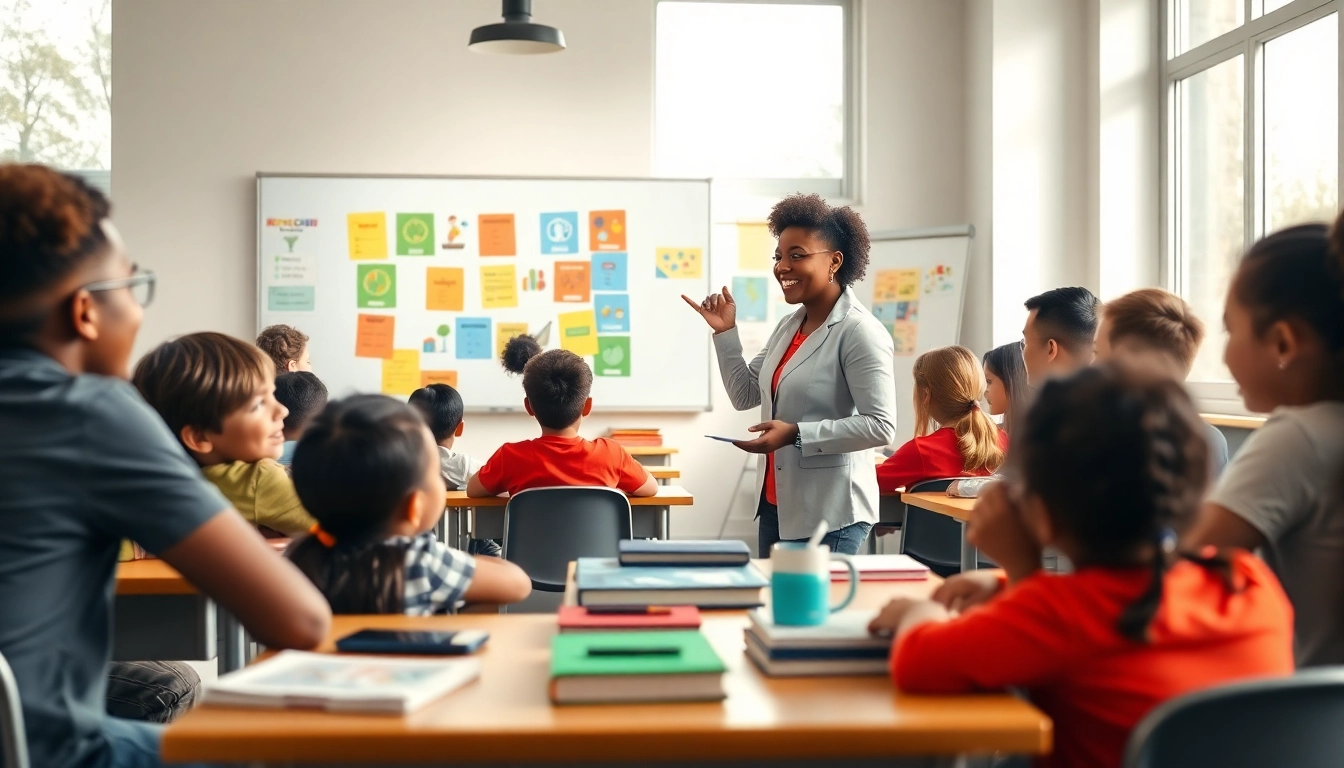
Creating inclusive learning spaces is paramount to achieving education equity. This means establishing environments where diverse learning needs are met, allowing every student to engage meaningfully. Inclusive spaces celebrate diversity and cater to various learning styles and abilities. In 2026, schools are becoming more mindful of integrating technology and personalized learning experiences to accommodate students’ unique circumstances, whether they come from different cultural backgrounds or have special needs. Educators are encouraged to embrace differentiated instruction as a method for fostering inclusivity.
Common Misconceptions About Education Equity
Misinformation about education equity can lead to ineffective policies and practices. One significant misconception is that equity is synonymous with equality. While equality implies treating all students the same, equity recognizes that individual differences and needs must be addressed to promote fairness in educational outcomes. Another myth is that equity measures are only necessary for low-income or minority students, overlooking the diverse challenges faced across various demographics. Understanding and dispelling these misconceptions is crucial for advocating for policies that support genuine education equity.
Innovative Approaches to Education Reform
As we look to the future, innovative approaches to education reform are vital for fostering environments where all students can succeed. Today’s challenges demand creative solutions that leverage technology and embrace new pedagogical strategies. From blended learning models to social-emotional learning initiatives, reform efforts are focusing on holistic approaches that cater to the whole child. Case studies of successful education reform demonstrate the effectiveness of innovative practices in improving student outcomes.
Technology’s Role in Modern Education
Technology has revolutionized education, providing diverse tools that support individualized learning experiences. In 2026, schools are leveraging artificial intelligence and adaptive learning technologies to personalize student interactions with the curriculum. These innovations allow educators to analyze data in real time, enabling timely interventions and support tailored to individual student needs. Moreover, virtual reality and immersive learning environments are increasingly utilized to engage students and bring abstract concepts to life.
Case Studies of Successful Education Reform
Real-world examples of education reform highlight the diverse strategies being implemented across various contexts. For instance, a district in California revamped its curriculum to integrate culturally responsive teaching methods, resulting in significant improvements in student engagement and academic performance among historically underrepresented populations. Similarly, schools in Finland have adopted a holistic education model that emphasizes collaboration and critical thinking over standardized testing, showcasing an alternative approach to traditional education metrics. These case studies provide invaluable insights into effective reform strategies that can be adapted in different settings.
Best Practices for Implementing Change
Implementing educational reform requires a strategic approach that involves all stakeholders, including students, educators, parents, and community members. Best practices include fostering open communication and collaboration, utilizing data-driven decision-making, and providing professional development for teachers. Engaging stakeholders in the change process ensures that diverse perspectives inform the direction of educational initiatives, leading to more sustainable outcomes. Additionally, frameworks that emphasize continuous improvement and feedback loops allow for adaptations based on real-time experiences.
The Future of Educational Innovation
The landscape of education is constantly changing, and staying ahead of emerging trends is essential for educators and policymakers. As we look toward 2026, several key themes are emerging that will likely shape educational practices. From the impact of global social movements to predictions about technology integration, understanding these shifts is crucial for navigating the future of education.
Emerging Trends in 2026 Educational Practices
As teaching and learning evolve, several trends are gaining traction. Social-emotional learning (SEL) is now recognized as a critical component of student development, promoting not only academic success but also mental well-being. Additionally, project-based learning (PBL) continues to gain momentum, encouraging students to apply their knowledge in real-world contexts. Furthermore, the rise of global citizenship education emphasizes the importance of preparing students to be informed, empathetic individuals who can navigate an increasingly interconnected world.
Impact of Global Social Movements on Education
The influence of global social movements, such as Black Lives Matter and climate activism, has permeated educational discourse, prompting a reevaluation of curricula to include more socially relevant content. This shift encourages educators to incorporate discussions about social justice, equity, and sustainability into their teaching practices. By addressing these critical issues within the classroom, educators can empower students to be active participants in shaping a more equitable and just society.
Predictions for Technology in Education
Looking forward, technology will continue to play a transformative role in education. Predictive analytics and big data will enable more personalized learning experiences, helping schools identify at-risk students and tailor interventions accordingly. Moreover, the potential integration of augmented reality and machine learning may reshape traditional methods of instruction, creating immersive learning experiences that enhance engagement and retention. By harnessing these advances, educators can create dynamic learning environments that prepare students for an uncertain future.
Advocating for Education Justice
Advocacy is a vital element in the pursuit of education equity and justice. Educators, community leaders, and concerned citizens must work collectively to address systemic barriers and promote policies that create equitable learning environments. By building partnerships and leveraging various forms of media, advocates can drive meaningful change in their communities.
Building Community Partnerships for Change
Collaboration between schools and community organizations is essential for creating sustainable change. By establishing partnerships, educators can access additional resources, expertise, and support networks that enhance educational opportunities for students. For example, partnerships with local businesses can provide students with internships and real-world learning experiences, while collaborations with non-profits can facilitate access to mental health services and academic support.
Leveraging Social Media for Awareness
Social media platforms have become powerful tools for advocacy, allowing educators and advocates to share their messages with a broader audience. Utilizing platforms like Twitter, Instagram, and Facebook enables stakeholders to engage in conversations about education equity and justice. By sharing success stories, data, and resources, advocates can raise awareness and mobilize support for initiatives that aim to reduce disparities in education.
Effective Advocacy Strategies for Educators
Educators play a crucial role in advocacy efforts, as they possess firsthand knowledge of the challenges faced within their schools. Effective strategies include engaging in grassroots organizing, building coalitions with like-minded individuals, and participating in policy discussions at local and state levels. By amplifying their voices and experiences, educators can influence policy changes that lead to more equitable educational practices.
Measuring Success in Education Initiatives
Assessment plays a foundational role in gauging the effectiveness of education initiatives. By establishing clear metrics and evaluation techniques, educators and administrators can gain insights into what works and what needs improvement. As we approach 2026, measuring success in education requires an understanding of both qualitative and quantitative factors that contribute to student achievement.
Key Performance Metrics for Education Programs
Key performance metrics may include graduation rates, standardized test scores, and student engagement levels. However, it is essential to complement these quantitative measures with qualitative assessments that capture student experiences, social-emotional development, and community involvement. By employing a holistic evaluation approach, educators can better understand the impact of their initiatives and tailor them for maximum effectiveness.
Real-World Examples of Effective Measurement
Many successful education reform efforts have emerged from organizations that prioritize data-driven decision-making. One notable example is the use of real-time feedback in classrooms to adjust instruction based on student performance. Schools that have implemented these strategies report higher levels of student engagement and improved learning outcomes. Other programs utilize longitudinal data to track student progress over time, providing insights that inform curricular changes and support services.
The Future of Data in Education Decision-Making
As technology continues to advance, the role of data in education decision-making will only increase. Predictive analytics and machine learning tools will help educators identify trends and potential challenges before they arise. Moreover, as more data become available, the emphasis will shift toward data equity, ensuring that all students’ experiences are represented in educational research and policy. This shift will empower stakeholders to make informed decisions that prioritize equity and accessibility for all learners.