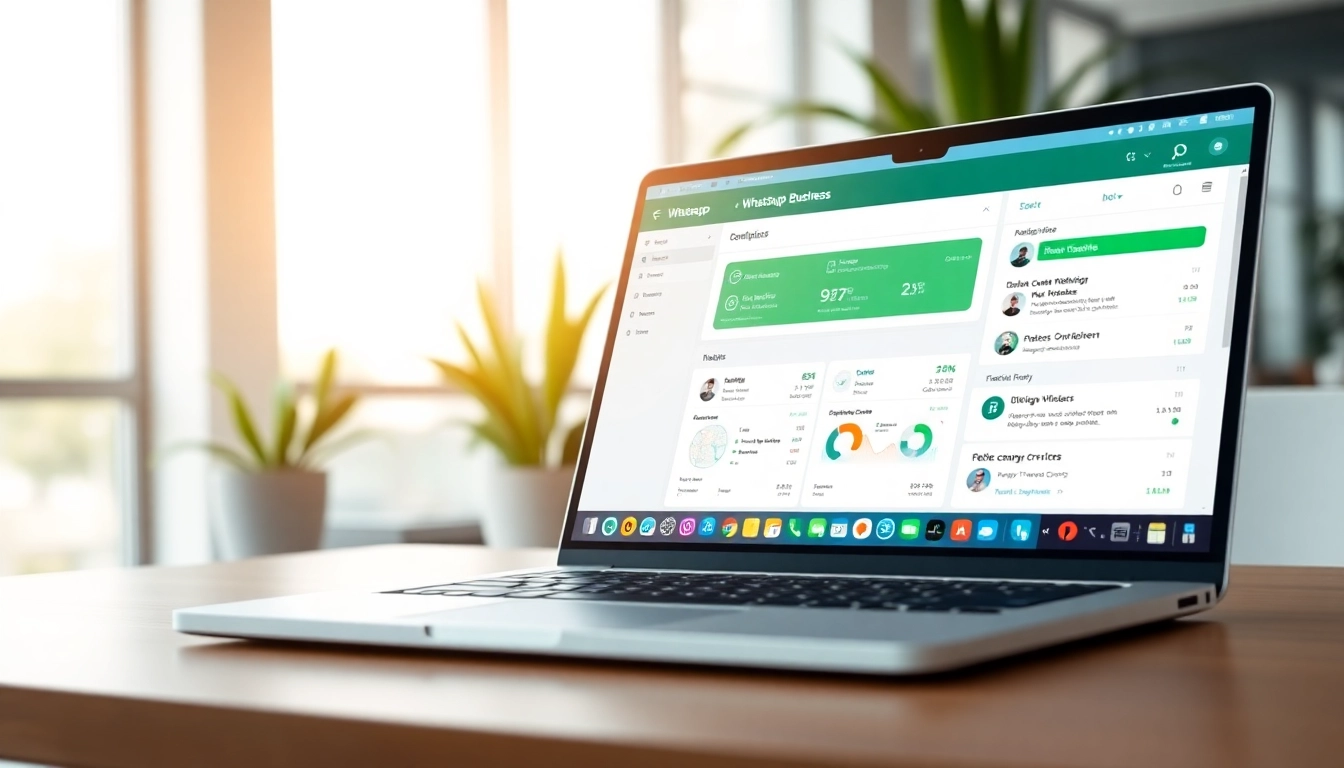
Understanding WhatsApp Business CRM
What is WhatsApp Business CRM?
In today's digital-first landscape, businesses are required to adapt swiftly to customer demands and engage with them on their preferred platforms. This is where WhatsApp Business CRM comes into play. Essentially, it is a customer relationship management system designed specifically to integrate with WhatsApp, allowing businesses to streamline their communication and strengthen customer relationships effectively.
The WhatsApp Business CRM combines the user-friendly messaging interface of WhatsApp with powerful CRM functionalities. This integration allows companies to manage customer interactions, automate responses, and track leads through the entire sales funnel, all in one comprehensive platform. It empowers businesses with the tools necessary to enhance customer experiences while maximizing operational efficiency.
Key Features of WhatsApp Business CRM
- Seamless Integration: WhatsApp Business CRM solutions effortlessly connect with existing CRM systems, enabling businesses to consolidate their communication channels and manage customer data from a single platform.
- Automated Messaging: This feature allows businesses to set up automated greetings, responses, and notifications, ensuring prompt engagement with customers and reducing response times significantly.
- Personalized Customer Interactions: Using customer data stored in the CRM, businesses can tailor their messages for higher relevance, improving customer satisfaction and loyalty.
- Analytics and Reporting: Detailed insights into customer interactions and engagement metrics help businesses evaluate their performance and adjust their strategies accordingly.
- Multi-Agent Access: Teams can collaborate effectively by sharing access to customer information and previous interactions, which helps in maintaining continuity in customer service.
Benefits of Integrating WhatsApp with CRM
Integrating WhatsApp with a CRM system provides numerous advantages tailored to enhance customer interactions:
- Improved Customer Accessibility: With a platform that customers are already familiar with, businesses can provide easy access to their services or support.
- Increased Engagement Rates: WhatsApp boasts high open and response rates compared to traditional email, ensuring messages are more likely to be seen and acted upon.
- Enhanced Operational Efficiency: Automation reduces the workload on staff, allowing them to focus on more complex customer queries and services.
- Data-Driven Insights: Businesses can leverage analytics from the CRM to identify trends, uncover customer preferences, and craft effective marketing strategies.
- Streamlined Communication: All interactions are centralized, reducing the risk of losing important customer information and improving the overall service experience.
Implementing WhatsApp Business CRM
Setting Up Your WhatsApp Business CRM
Setting up your WhatsApp Business CRM involves several steps that ensure a smooth transition into this powerful tool:
- Choose the Right CRM: Assess various CRM platforms that offer WhatsApp integration. Evaluate their features, pricing, and user accessibility.
- Sign Up for WhatsApp Business Account: Create a WhatsApp Business account by downloading the app and registering with your business phone number.
- Integrate the CRM with WhatsApp: Follow the respective CRM’s integration process to link your WhatsApp account with their system.
- Configure Your Messaging Settings: Set up automated messages and responses to ensure immediate engagement with customers.
- Train Your Team: Educate your team on how to use the WhatsApp Business CRM effectively, emphasizing the importance of customer engagement strategies.
Best Practices for Integration
To maximize the benefits of your WhatsApp Business CRM, consider the following best practices:
- Maintain Brand Consistency: Ensure all messaging aligns with your brand voice and ethos to foster familiarity and trust amongst customers.
- Engage with Responsiveness: Leverage automated responses judiciously, but ensure that human agents are accessible for complex queries.
- Utilize Rich Media: Use images, videos, and audio messages to effectively convey information and create a more engaging customer experience.
- Regularly Analyze Data: Use analytics tools to track engagement metrics and refine strategies to improve overall customer satisfaction.
- Encourage Customer Feedback: Actively seek feedback through WhatsApp and use it to enhance products and services continuously.
Common Mistakes to Avoid
While integrating WhatsApp Business CRM can yield immense benefits, there are common pitfalls to avoid:
- Ignoring Customer Privacy: Always adhere to data protection regulations and ensure customers' privacy is respected when using their personal information.
- Overwhelming Customers with Messages: Avoid bombarding customers with excessive messages, which can lead to frustration and a negative perception of your brand.
- Neglecting Support on Other Channels: Ensure that support is still available across other communication channels, leaving no customer behind.
- Failing to Personalize Interactions: Generic communication can diminish impact; ensure to utilize data for personalized engagement.
- Not Training the Team Properly: A well-trained team is essential. Inadequate training can reduce effectiveness in customer interactions.
Enhancing Customer Engagement
Utilizing Features for Customer Interactions
To leverage WhatsApp Business CRM for optimal customer engagement, businesses can utilize several interactive features:
- Quick Replies: Create a library of quick responses to frequently asked questions to ensure fast and effective communication.
- Broadcast Lists: Use this feature to send messages to multiple customers simultaneously based on segmented lists, ensuring targeted communications.
- Interactive Buttons: Incorporate buttons in messages to expedite actions like appointments, product inquiries, or feedback forms.
- Chatbots: Implement AI-based chatbots for 24/7 customer service, guiding users through queries even outside regular business hours.
Personalization Tactics with WhatsApp Business CRM
Personalization is key in elevating customer interactions. Here are tactics to enhance your engagement strategies:
- Use Customer Data Wisely: Segment your audience based on data such as purchase history or preferences, tailoring messages accordingly.
- Personalized Greetings: Address customers by their first name in communications to foster a more friendly and human touch.
- Follow-Up Interactions: After a sale or customer contact, follow up with personalized messages to express gratitude and offer further assistance.
- Special Offers: Generate unique offers or promotions based on customer behavior to enhance loyalty and repeat purchases.
- Content Personalization: Share tailored content (blogs, guides, or videos) that resonates with the customer's interests and needs.
Measuring Customer Engagement Outcomes
Understanding the effectiveness of your WhatsApp Business CRM efforts is crucial. Use the following methods to assess customer engagement:
- Engagement Rate: Monitor how many customers are interacting with your messages and content, promising actionable insights for optimization.
- Response Time: Track how quickly your team responds to inquiries to identify any bottlenecks in your communication flow.
- Customer Satisfaction Surveys: Utilize WhatsApp to conduct surveys, asking customers about their experience and suggestions for improvement.
- Sales Metrics: Analyze the correlation between CRM interactions and sales to determine the effectiveness of your engagement strategies.
- Retention Rate: Measure the percentage of return customers and identify the factors contributing to loyal client relationships.
Driving Sales through WhatsApp Business CRM
Lead Generation Strategies
WhatsApp Business CRM is an invaluable tool for driving sales through effective lead generation strategies:
- Use Captivating Call-to-Actions: Create compelling prompts that entice potential customers to start conversations about products or services.
- Interactive Content: Share quizzes, polls, or surveys that engage users while collecting valuable contact information for future outreach.
- Referral Programs: Encourage existing customers to refer new business through incentive programs, communicated seamlessly via WhatsApp.
- Targeted Promotions: Send specific offers to segments identified based on their purchasing behavior or preferences, driving interest and conversions.
Sales Automation Techniques
Automating sales processes through WhatsApp Business CRM can significantly enhance productivity:
- Pipeline Management: Automate the tracking of leads through different stages of your sales funnel, identifying opportunities for follow-up.
- Email to WhatsApp Conversions: Convert leads generated from emails or other marketing channels directly into WhatsApp conversations to streamline engagement.
- Appointment Scheduling: Use automated scheduling tools that can set up meetings or consultations through WhatsApp, facilitating easier customer access.
- Follow-Up Reminders: Automate reminders for follow-up interactions with leads to ensure no opportunity is missed.
Scaling Your Sales Approach
As businesses grow, scaling their sales approach becomes paramount. Leverage the following strategies through WhatsApp Business CRM:
- Visualize Sales Data: Use dashboards to track sales metrics and team performance, enabling informed decision-making for scaling processes.
- Team Collaboration: Enhance collaboration among sales teams by utilizing CRM functionalities that allow shared insights and lead information.
- Regular Training Sessions: Upskill your team on new features and tools within your CRM to better enhance customer engagement as processes evolve.
- Adopt a Customer-Centric Approach: Customize experiences based on the feedback gathered to create a responsive approach that anticipates customer needs.
Future Trends in WhatsApp Business CRM
Emerging Technologies in CRM Integration
The landscape of customer relationship management is continuously evolving. Here are some emerging technologies to watch:
- Artificial Intelligence: AI-driven solutions will enhance analytics, predictive modeling, and personalization, allowing businesses to anticipate customer needs.
- Machine Learning: This technology will enable systems to learn from customer interactions, improving automation and optimizing responses over time.
- Omni-Channel Integration: Future systems will provide seamless experiences across multiple communication channels, further centralizing customer engagement.
- Voice Interaction: Technologies allowing voice commands through WhatsApp could form a conversational interface, enabling hands-free interactions for customers.
Customer Expectations and CRM Evolution
As customer expectations heighten, businesses must adapt their CRM strategies to meet these demands:
- Instant Gratification: Customers increasingly expect immediate responses; businesses must optimize their response times accordingly.
- Personalized Experiences: Modern consumers desire tailored interactions, pushing companies to utilize data for more relevant engagement.
- Sustainable Practices: Customers prefer brands that embody eco-friendly values, influencing CRM messaging and customer engagement strategies.
- Transparency: Clear communication around business practices and policies is becoming crucial; customers want to feel informed and valued.
Preparing Your Business for Future Changes
To navigate the anticipated trends effectively, businesses should focus on preparation through the following strategies:
- Investing in Staff Training: Equip your team with the necessary skills to adapt to changing technologies and customer expectations.
- Emphasizing Data Security: As digital interactions rise, prioritize customer data protection to foster trust and compliance.
- Continuous Feedback Mechanisms: Establish systems for ongoing feedback from customers, continually refining engagement strategies based on insights gathered.
- Agile Practices: Embrace an agile approach to quickly adapt to market changes by prioritizing customer-led initiatives.